How deep should a shell driveway be?
The short answer is about three inches of shell over a compacted base, but the depth people usually get wrong is the one underneath.
Most people asking this question are really asking two questions at once: how much shell goes on top, and how much has to come out first. The second one matters more.
The shell layer
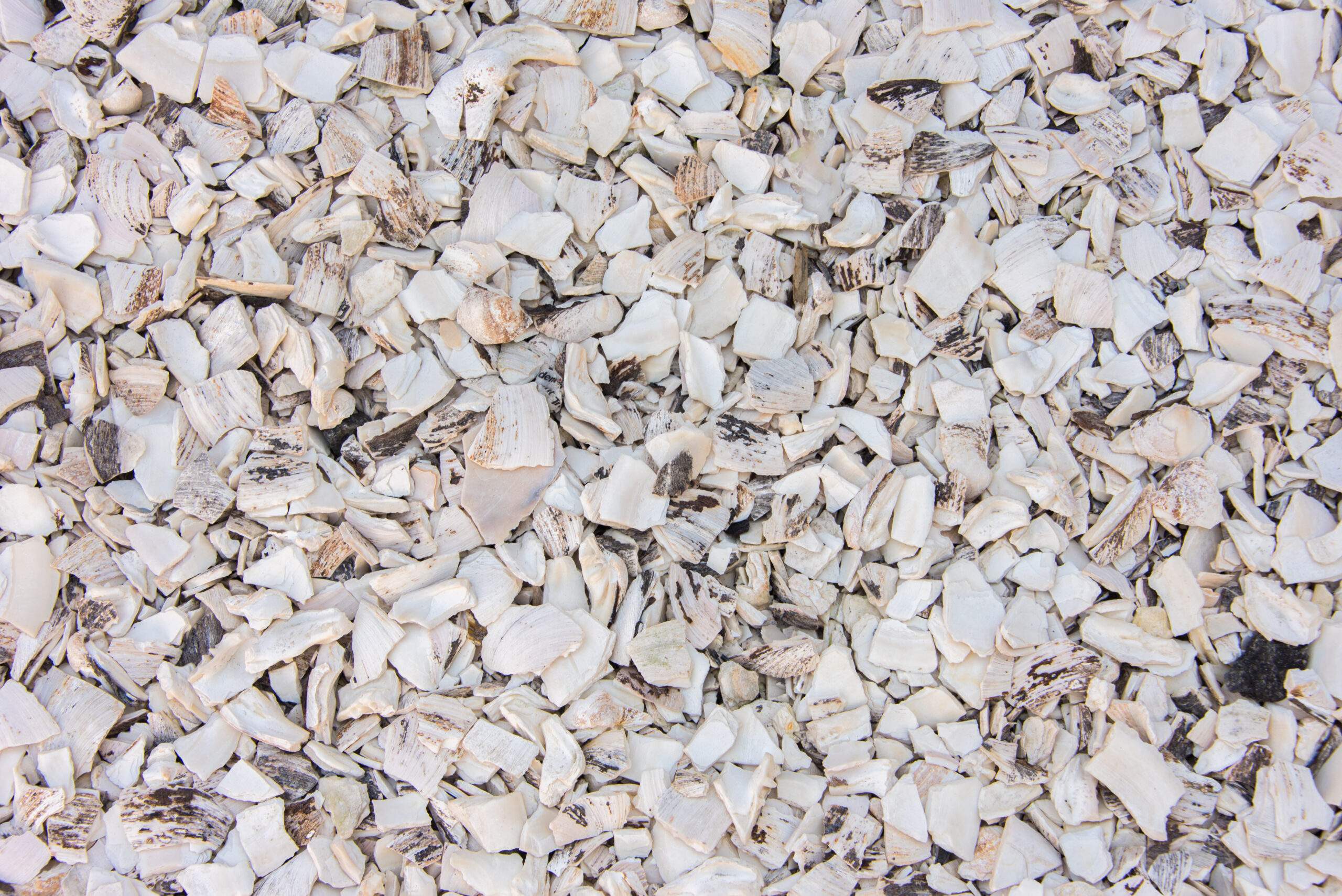
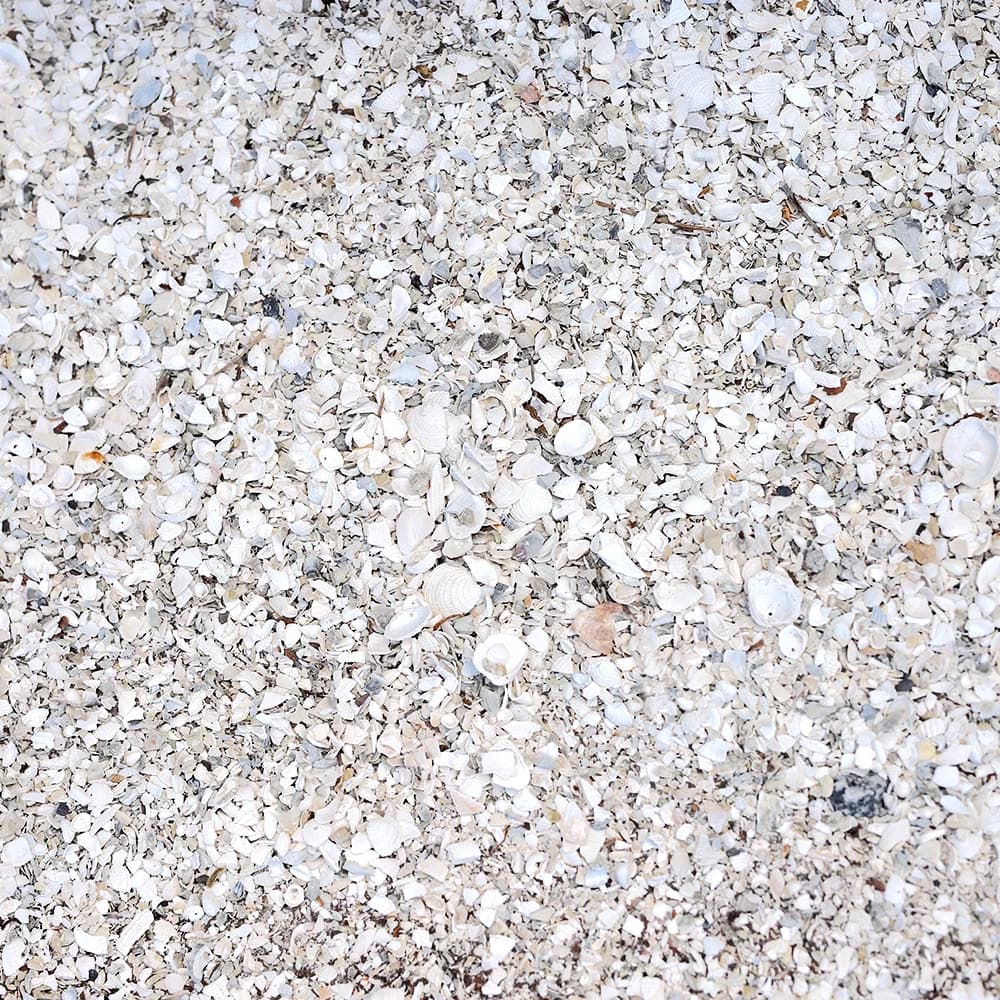
Around three inches of crushed shell, compacted, is the working figure for a residential driveway. Less than that and the base starts showing through in the wheel tracks within a season. Much more than that and you get a soft, loose surface that cars plow furrows in rather than driving over.
The important part is that those three inches go down in two lifts, not one. Spread half, compact it, spread the rest, compact again. A single deep dump of shell never knits together properly no matter how long you run a plate over it.
The part underneath
This is where driveways are won and lost, and it is most of what a driveway costs. Before any shell goes down, you want roughly five to six inches of material excavated out and replaced with a compacted gravel base.
Shell laid straight onto soil does not stay a driveway. It presses down into soft ground under the weight of a car, the ground comes up through it, and within a year or two you have a muddy gray drive with some shell in it. The base is what actually carries the load. The shell is the wearing surface and the look.
Pitch matters as much as depth
A driveway built dead flat holds water no matter how deep it is. The surface wants a slight crown down the middle so rain sheds to the sides, or a consistent fall in one direction if the site suits it better.
Standing water is what causes almost every problem people call about: ruts, soft spots, shell washing toward the road. Nearly all of it traces back to pitch rather than depth.
What this means in practice
- Three inches of shell, laid and compacted in two lifts
- Five to six inches excavated, replaced with compacted gravel base
- A crown or a fall, so water leaves the surface
If you have an existing drive that has thinned out, you often do not need all of that again. The base may be perfectly sound and just need regrading and a fresh top-off. Worth having someone look before assuming it is a full rebuild. A refresh and regrade is a much smaller job than a new build.